Sometimes, it's hard to see certain traits in yourself even though they're abundantly clear to outsiders – all the people you interact with daily. If you have ever wondered, "am I a control freak?" or asked yourself what the true control freak definition actually is, you are not alone. By standard psychological understanding, a controlling personality often stems from a need for predictability and safety, leading a person to micromanage their environment and relationships.
While some people are fully aware of their controlling tendencies, others exhibit classic traits of a control freak without realizing how overwhelming it feels to those around them. Whether you are examining your own habits or trying to navigate living with someone who needs to put their mark on everything, recognizing these key symptoms of a control freak is the first step toward healthier dynamics.
1 You Silently Judge People All the Time
 Not all people with controlling tendencies do this, but one of the major signs you're a control freak is passing silent judgment upon others at almost all times. Of course, you can be critical without being controlling. Combined with other behaviors, though, silent evaluation is a hallmark trait. Not only do you judge how others behave, but you also constantly believe you know how to do things better, faster, or more efficiently.
Common ways silent judgment manifests include:
- Critiquing how someone handles basic everyday tasks
- Assuming your method is the only correct way
- Feeling internal irritation when someone takes a different approach
2 You Offer 'Constructive Criticism' All the Time, Too
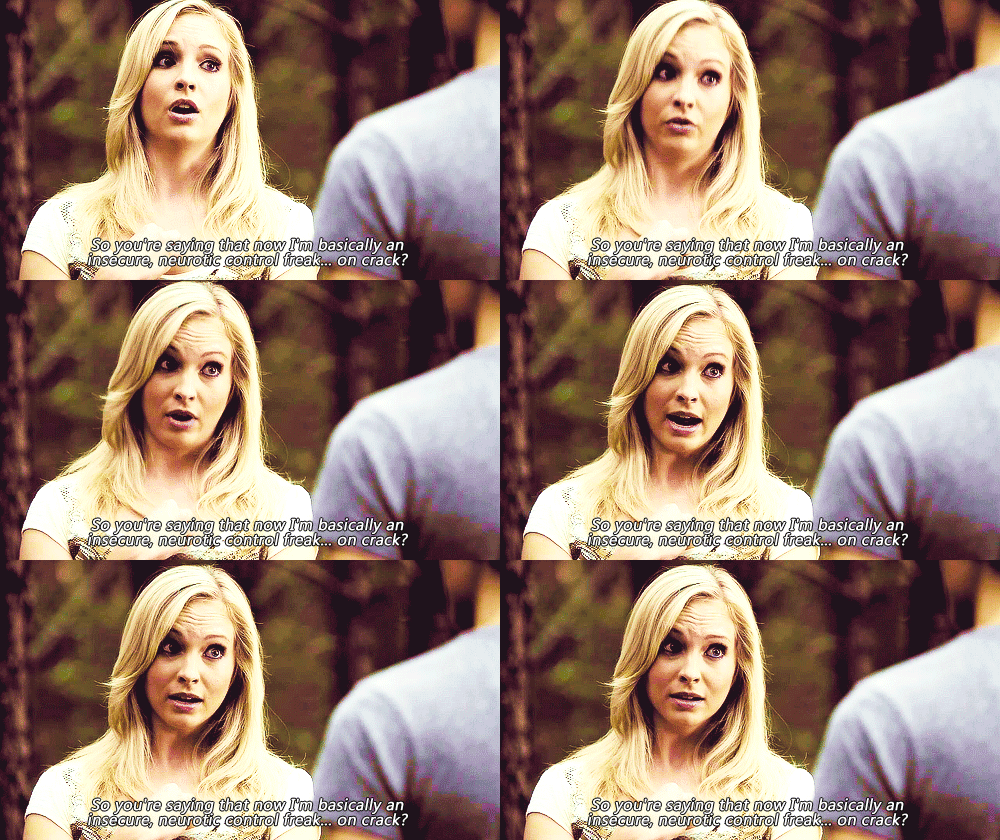 In the main, constructive criticism is a great thing; we can all learn and grow from well-intentioned feedback. The issue arises when control freaks offer feedback that doesn't come from a place of genuine support, but rather from underlying judgment. It frequently comes unasked for, unwelcomed, or when it isn't even necessary. According to Psychology Today, unsolicited feedback is often more about managing the giver's internal anxiety than helping the recipient. When advice is given abrasively and far too frequently, it becomes one of the core control freak traits that strain personal relationships. If you notice yourself constantly giving unsolicited critiques, you might also be passing silent judgment on those around you.
3 Micromanaging is Your Favorite Thing to Do
 While some individuals might appreciate step-by-step guidance, micromanagement is generally a stifling and demotivating practice. It kills creativity, breeds negativity, and drains imagination. When someone feels compelled to oversee every minute detail of a project or household task, it shows a classic struggle with delegating tasks effectively. Left unchecked, extreme micromanagement can heighten interpersonal stress, which organizations like the Mayo Clinic link to chronic emotional fatigue and relationship strain.
4 You Obsessively Point Out Something Your Partner Needs to Change Over and Over Again
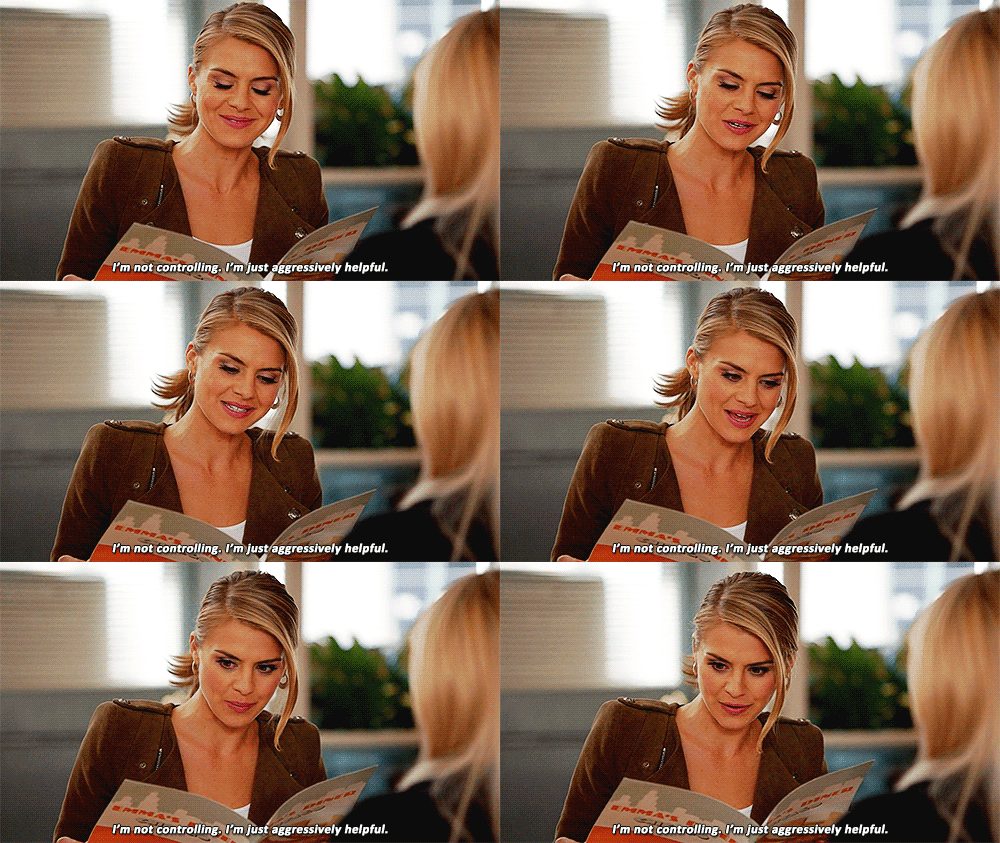 Repeating the same critique to a partner while expecting a different result can be frustrating for both involved. Fixating on small flaws and bringing them up repeatedly is one of the clearest signs of being a control freak in intimate relationships. Rather than fostering growth, this habit erodes emotional connection and disrupts healthy relationship boundaries.
| Controlling Habit | Why It Happens | Healthy Alternative | | --- | --- | --- | | Constant micromanaging | Fear of poor outcomes | Delegate with clear expectations | | Unsolicited feedback | Desire for perfection | Offer praise and wait for requests | | Obsessive nitpicking | Anxiety over small details | Focus on the bigger picture |5 You Sincerely Believe That Everyone is Incapable of Doing Anything on Their Own
 Expecting the worst out of people before anything even happens is a classic pattern among those with high controlling tendencies. Others rarely get the chance to fail—or succeed—because you step in before they can try. Operating with rigid preconceived notions makes it difficult to divert from your chosen course, reinforcing the belief that only you can execute tasks properly. This mindset closely ties back to micromanaging every detail rather than trusting others' capabilities.
6 You Have No Trust…
 At its core, a lack of trust is the primary driver behind assuming others will fail. When you lack faith in people's ability to accomplish things to your standard, your instinct is to handle everything yourself. Rebuilding this trust requires practice and patience, often supported by resources from experts at Cleveland Clinic on managing anxiety and perfectionism.
7 … Especially with Work
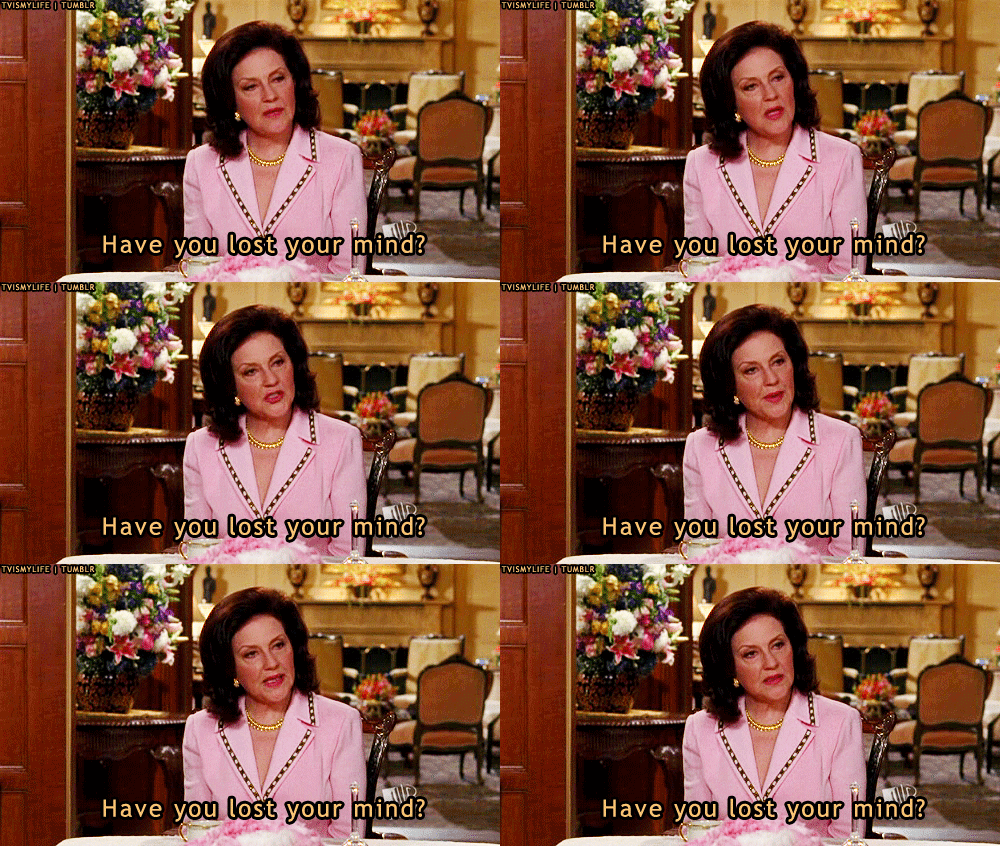 This lack of trust is especially prominent in professional settings. While high control can make someone a driven leader, it rarely makes for a popular manager. Team members often feel restricted, knowing they won't be given space to take initiative or ownership over projects. Understanding the true control freak meaning in the workplace can help leaders transition from overbearing management to empowering collaboration.
Do you recognize any of these signs of a control freak in yourself or someone in your life? Identifying these patterns is the first step toward building healthier, more balanced relationships.