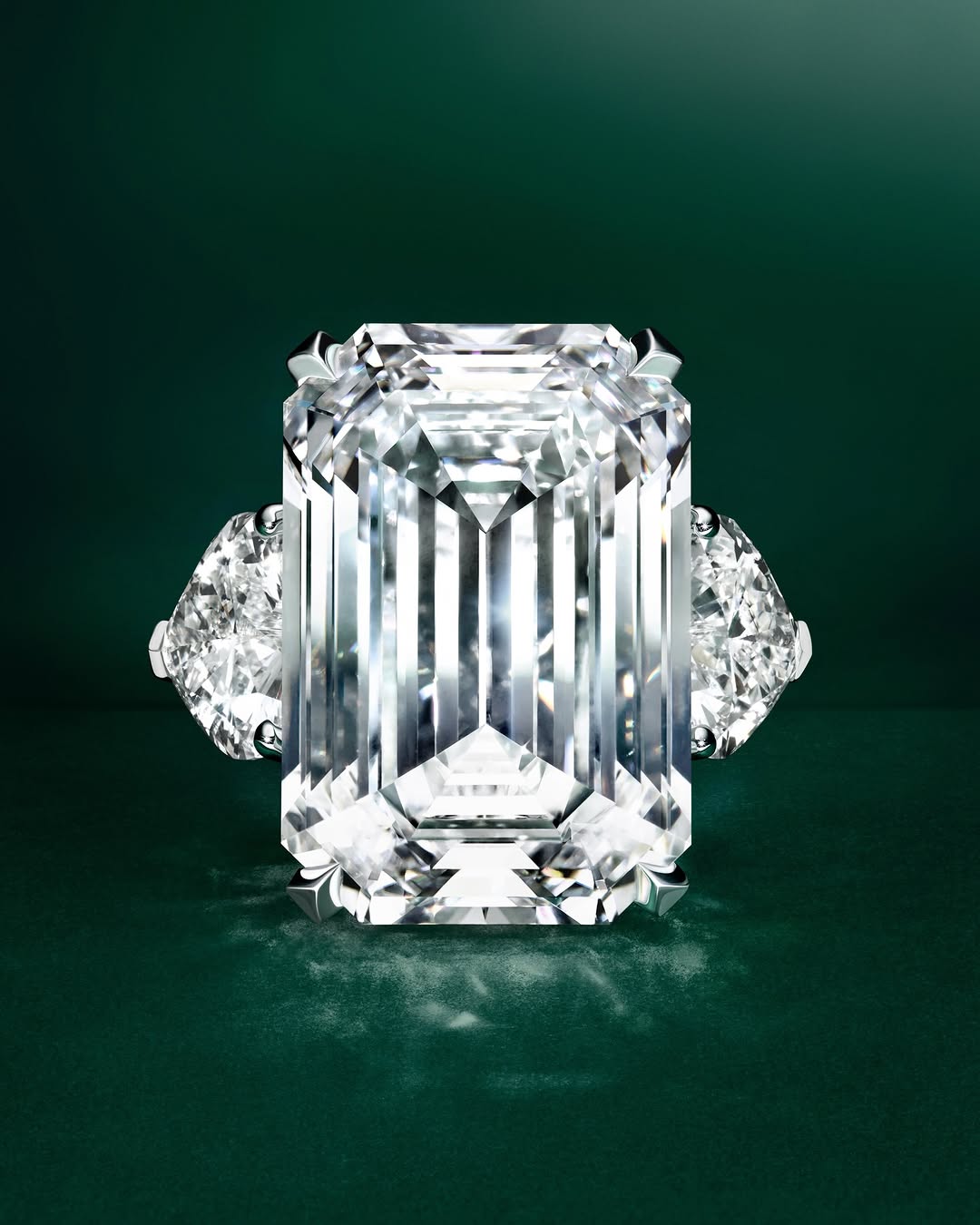
There are many things to consider when you're shopping for a diamond, and ethical sourcing should be a factor beyond cut, color, carat and clarity. The meaning of "blood diamond" carries a heavy history, but the modern reality of natural diamonds is far more reassuring. Today's industry operates under strict global safeguards that help ensure conflict-free sourcing, community support and environmental accountability. Understanding conflict diamonds helps you confidently buy a stone that aligns with your values.
The History Behind Conflict Diamonds
What are conflict diamonds, exactly? A blood or conflict diamond is a rough gemstone that rebel movements use to finance armed conflicts aimed at undermining legitimate governments. During the 1990s and early 2000s, certain regions in Africa saw these stones fueling violence and instability. This prompted urgent calls for reform and transparency. The term "blood diamond" reflects the related human costs.
Miners worked under brutal conditions, and the proceeds funded warfare. That dark chapter changed everything. Today's diamond trade runs on transparency and accountability.
Thinking...
Please leave your email and we’ll get back to you on that.
How the Kimberley Process Transformed the Industry
The global response came in 2003 with the launch of the Kimberley Process Certification Scheme. This coalition unites governments, industry representatives and civil society organizations. Certification is required for all rough diamonds crossing international borders to confirm their conflict-free origin.
The results speak for themselves. According to the Kimberley Process, participants actively prevent 99.8% of the worldwide trade of conflict diamonds. The certification has fundamentally changed how diamonds move through the global supply chain.
Thinking...
Please leave your email and we’ll get back to you on that.
The Real Cost of Lab-Grown Alternatives
While lab-grown diamonds are often marketed as the eco-friendly choice, their manufacturing process tells a different story. Creating diamonds in a laboratory requires extreme heat and pressure, which demands massive amounts of energy.
According to the Natural Diamond Council, “over 70% of laboratory-grown diamonds are mass-produced in China and India, where 61% and 75% of grid electricity, respectively, is generated from coal.”
This reliance on fossil fuels reveals a hidden environmental cost that consumers may not know about. As the Natural Diamond Council states, the ecological claims usually only cover the creation of the product and not the entire carbon footprint across the supply chain.
By contrast, natural diamond mining supports real communities in places like Botswana, Canada and Namibia. Revenue from these operations funds schools, hospitals and roads that transform entire regions. The impact extends beyond the mines themselves, creating jobs in related industries and funding essential services.
A study by S&P Global found that large-scale operations generated $16 billion in net benefits to local economies and communities in 2016. Plus, the socioeconomic and environmental benefits outweigh the impacts by almost 1,700%. Choosing a natural diamond means directly supporting livelihoods.
Thinking...
Please leave your email and we’ll get back to you on that.
Why Natural Diamonds Hold Their Value
Natural diamonds are more likely to hold their value than their lab-grown counterparts. The biggest difference is rarity.
Natural diamonds form over billions of years under the Earth's surface, making them geologically rare and finite. Lab-grown diamonds can be produced indefinitely in factories with essentially unlimited supply. This distinction shapes pricing and long-term value retention.
Resale markets illustrate this clearly. Research using the Analytical Hierarchy Process, a concept that quantifies personal preferences, found that lab-grown options perform poorly at resale. Affordability and ethical sourcing concerns make buyers skeptical.
Natural stones can maintain their worth due to scarcity and contracting supply. Because genuine diamond deposits are finite, the long-term supply is more limited than factory-produced alternatives. Investing in a certified natural diamond means purchasing something that could hold its worth for generations.
Thinking...
Please leave your email and we’ll get back to you on that.
Sunshine and blue skies bring positivity and joy and it's important for every woman to take full advantage of it. Even when stuck indoors, it's still possible to enjoy some good vibes. Check out these unique tips on how to make the most of the weather right at your home. Let's celebrate every beautiful day, no matter where we are.
Frequently Asked Questions
Common questions about the diamond industry help clarify what to look for when shopping.
What is the Kimberley Process Certification Scheme?
The Kimberley Process Certification Scheme is a global initiative launched in 2003 to help prevent conflict diamonds from entering the legitimate diamond trade. It requires certification for all rough diamonds crossing international borders. The system has proven effective, with participants preventing 99.8% of the worldwide trade of conflict diamonds.
Are all natural diamonds ethical today?
Thanks to the Kimberley Process Certification Scheme, many companies sell conflict-free diamonds. It helps prevent conflict diamonds from entering the legitimate trade by requiring certification for rough gemstones crossing international borders. Reputable jewelers can also provide additional sourcing information that helps show your stone came through legitimate, conflict-free channels.
Do lab-grown diamonds depreciate?
Lab-grown diamonds can depreciate because manufacturers produce an unlimited supply. That makes them behave more like manufactured goods than rare gemstones. Natural diamonds may retain more long-term value because of their geological rarity and finite availability.
Thinking...
Please leave your email and we’ll get back to you on that.
Investing in a Conflict-Free Future
Selecting a certified natural diamond means you’re supporting communities in diamond-producing nations and investing in a stone that holds its worth. You're also avoiding the hidden environmental costs of mass-produced lab alternatives, meaning you end up with a gemstone that came through legitimate channels and supports responsible supply chain practices.
Keep exploring
Search AllWomenStalk for your next read.
Add allwomenstalk.com as a preferred source on Google to see more of our trusted coverage when you search.

Don't Miss the Latest Version
Get the latest stories, save favorites, and share with friends — all in one place.

New Earn badges & level up while you read
Create your profile. Earn badges. Level up your reading.
Join Allwomenstalk to track your streaks, collect badges, and earn XP for the things you already do—reading, sharing, and taking quizzes.
- 🔥Daily streaks with gentle boosts for 3, 7, and 30 days.
- 🏅Collect badges like Reader I–III, Socialite, and Quiz Ace.
- ⚡️Earn XP for reads, deep reads, likes, comments, and shares.
It’s free. Takes 30 seconds. Already have an account? Sign in.


Feedback Junction
Where Thoughts and Opinions Converge